How to Celebrate a Dementia-Friendly Independence Day at Home: A July 4th Guide for Virginia Families

Quick Answers:
- How do you celebrate July 4th with someone who has dementia? Keep the day small, calm, and familiar. Watch fireworks on TV instead of going out, host lunch instead of a late gathering, and stick close to the usual routine.
- Are fireworks bad for people with dementia? They can be. Loud booms and bright flashes may cause fear, confusion, or agitation, especially in the evening.
- What are good July 4th activities for seniors with dementia? Quiet activities work best: cookies, crafts, music, old photos, and simple time together at home.
- How can I keep my loved one safe in Virginia heat? Offer water often, stay in cool indoor spaces, dress lightly, and keep outdoor time to the morning.
Tomorrow is July 4th.
For many families, that means cookouts, fireworks, extra visitors, and a house that feels louder than usual. But if someone you love is living with dementia, Independence Day can feel complicated. You want to include them. You want the day to feel joyful. You also know that too much noise, heat, confusion, or disruption can turn a holiday into a hard day very quickly.
That tension is real. The Alzheimer's Association offers holiday guidance for caregivers, and one of the biggest takeaways is that simpler, calmer celebrations are often kinder for everyone involved.
At Karis Cares, we walk alongside families across Lynchburg, Roanoke, Daleville, and surrounding Virginia communities who are trying to hold both things at once: celebration and calm. Here's the thing: a dementia-friendly July 4th does not have to be elaborate to be meaningful. In fact, simple is often what helps the most.
One of the best resources we recommend is the Alzheimer’s Foundation of America’s F.O.U.R. framework for celebrating July 4th in a dementia-friendly manner. It offers practical guidance families can use right away. Below, we’ve broken those ideas down with local, real-life advice for tomorrow.
F.O.U.R. Step 1: Forgo the Fireworks
For many people, fireworks are the highlight of Independence Day.
For someone with dementia, they can be frightening.
The sudden booms. The bright flashes. The crowds. The late hour. It can all feel disorienting and distressing. This is especially important to remember if your loved one is a veteran or has lived through other traumatic experiences. Loud explosions may trigger fear in a way they cannot fully explain.
If you are planning tomorrow, it may help to skip live fireworks altogether.
Instead, try:
- Watching fireworks on TV with the volume low
- Using battery-operated candles, string lights, or patriotic lanterns
- Handing out glow sticks to grandchildren for a fun but gentle celebration
- Closing curtains before dark if neighborhood fireworks tend to start early
- Turning on soft music or white noise to buffer outside sounds
Less stimulation does not mean less celebration.
Sometimes it means your loved one can actually enjoy the day.
F.O.U.R. Step 2: Organize and Be Prepared
A little preparation can change the entire rhythm of the day.
If you expect extra noise tomorrow, create a quiet space ahead of time. This could be a bedroom, den, or cozy corner with familiar comforts already in place. Think soft lighting. A favorite blanket. Family photos. Gentle music. A recliner that feels like home.
Helpful items to have ready:
- A cool drink nearby
- Familiar snacks
- Hearing aids or glasses, if they use them
- A comfort object like a lap blanket or well-loved pillow
- White noise, a fan, or calming music
- Simple patriotic decorations that feel cheerful, not cluttered
It also helps to explain the day in calm, simple language.
You might say:
- “Tomorrow is July 4th, so we may hear some loud noises outside.”
- “We’re going to have lunch here at home with family.”
- “If it gets too busy, we can sit in the quiet room together.”
You do not have to over-explain. Just offer gentle orientation and reassurance. And the CDC emphasizes keeping a predictable routine, which is often one of the most helpful things you can do on a busy holiday.
For families providing dementia home care, preparation often matters more than perfection. You don't need to be perfect. You just need to make the day feel steady.
F.O.U.R. Step 3: Keep Gatherings Understated
Smaller really is better here.
A packed cookout with cousins, neighbors, and children running through the house may sound festive, but for a person with dementia, too many faces and too much activity can feel overwhelming. If you are hosting tomorrow, consider keeping the guest list short and the pace slow.
A few ways to make gatherings easier:
- Invite only close family or a few familiar friends
- Use simple name tags if visitors may not be recognized right away
- Keep conversations one-on-one when possible
- Avoid having the TV blaring while multiple people are talking
- Give your loved one permission to step away and rest
Timing matters too.
Many people living with dementia do best earlier in the day. If sundowning is part of your loved one’s pattern, a lunchtime meal is often much easier than an evening celebration. In Virginia, it is also usually wiser to enjoy visits before the hottest part of late afternoon. The National Institute on Aging suggests keeping celebrations simple, and that advice goes a long way on July 4th.
And perhaps most importantly: do not throw out the routine just because it is a holiday. Let's be honest, routines may not feel festive, but they often make the whole day go better.
Keep regular wake-up times, meals, medications, and rest periods as close to normal as possible. A familiar rhythm can be the very thing that makes tomorrow feel safe.
This is also where a strong personalized care plan can make such a difference. When care is built around a person’s habits, preferences, and pressure points, holidays become easier to navigate.
F.O.U.R. Step 4: Revise How You Celebrate
Independence Day does not have to look the way it used to in order to still be special.
Sometimes the most meaningful celebrations happen at the kitchen table. Quietly. Gently. With room to breathe.
If going out feels like too much, bring the holiday home in softer ways:
- Decorate cookies with red, white, and blue icing
- Make simple patriotic crafts with grandchildren
- Look through old photo albums from family summers, military service, or past July 4th gatherings
- Sing familiar songs together
- Watch an old parade on television
- Bake a favorite family dessert
- Sit on the porch in the morning with fruit, muffins, and coffee before the heat sets in
Being Patient also recommends planning activities around the person's best time of day, which is one more reason morning and midday celebrations often work better than late-night events.
There is connection here. There is laughter again. Conversation.
These quieter traditions often work beautifully for families seeking Alzheimer’s holiday tips that feel warm and realistic, not overwhelming.
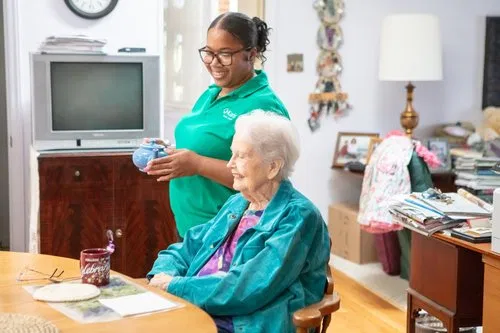
Don’t Forget the Virginia Heat
July in Lynchburg and Roanoke can be hot. Really hot.
Heat can increase confusion, fatigue, and irritability for older adults, especially those living with dementia. If you are making plans for tomorrow, build around comfort first. The National Institute on Aging warns that older adults are more vulnerable to heat-related illness, the CDC recommends staying in air-conditioned settings during extreme heat, and the Alzheimer's Foundation of America offers heat safety tips for dementia caregivers that are especially helpful on summer holidays.
A few practical ways to stay safe:
- Offer water often, even if your loved one does not ask for it
- Serve hydrating foods like watermelon, berries, or popsicles
- Keep indoor spaces cool with air conditioning or fans
- Sit outside only in the morning or in shaded areas
- Dress in lightweight, breathable clothing
- Watch for signs of overheating, such as flushed skin, unusual sleepiness, or agitation
- Avoid long car rides during peak afternoon heat if possible
Here's the thing: heat plus noise plus a disrupted routine can be a lot. Sometimes the kindest plan is the simplest one: staying home, staying cool, and keeping the day easy.
How Karis Cares Can Help on a Holiday Like This
At Karis Cares, we want to be clear about what we offer.
We are not administering treatments or promising dramatic medical answers. We are the extra set of hands that helps a holiday feel manageable again. If you're getting to know Karis Cares for the first time, this is the heart of our work: compassionate, steady support that helps families care well at home.
For families looking for in-home care services or companion care for elderly loved ones, our caregivers can help with:
- Meal prep for a simple July 4th lunch at home
- Supervision during family visits
- Companionship and calming presence throughout the day
- Personal care support, if needed
- Keeping routines on track with meals, rest, and familiar activities
- Giving family caregivers room to breathe and actually enjoy the holiday
That kind of support matters.
Because when someone trustworthy is helping with the details, you get to be more present. More daughter. More son. More spouse. Less overwhelmed manager of the day.
If you have been wondering whether extra support would help beyond the holiday weekend, you may also appreciate our article on why companion care for the elderly can change the way families experience aging at home.
A Gentle July 4th Checklist for Tomorrow
If you need a quick plan tonight, start here. Let's be honest: you do not need a perfect holiday plan. You need a doable one.
Skip live fireworks
Watching fireworks on TV or using glow sticks is usually much gentler than sitting through loud booms and flashing lights.Plan a small lunch instead of a late event
Earlier gatherings are often easier for someone living with dementia, especially if evenings tend to bring more confusion or agitation.Keep the normal routine as much as possible
Regular wake-up times, meals, medications, and rest breaks can help the whole day feel more stable.Set up a quiet room in advance
Have a calm space ready with familiar items, soft music, and a comfortable place to sit if the house starts to feel busy.Offer plenty of water and cool foods
Hydration matters more than people realize in Virginia heat, and simple foods like fruit or popsicles can help.Choose one or two simple activities at home
A quiet craft, cookie decorating, old photos, or familiar music is often plenty. You do not need to fill every hour.Ask for help if the day feels too big to carry alone
A caregiver, sibling, neighbor, or friend can make the day feel lighter and safer for everyone.
Frequently Asked Questions
How do you celebrate July 4th with someone who has dementia?
Keep fireworks minimal or watch them on TV, host small gatherings earlier in the day, maintain regular routines, and focus on quiet activities like crafts, music, or looking at photos. The Alzheimer’s Foundation of America recommends their F.O.U.R. framework: Forgo fireworks, Organize ahead, Understated gatherings, and Revise celebrations.
Are fireworks bad for people with dementia?
Yes, loud fireworks can cause anxiety, fear, and agitation for someone living with dementia. The sudden booms and bright flashes can be disorienting and distressing, especially for veterans who may misinterpret the sounds. Watching fireworks on TV or using glow sticks are safer alternatives.
What are good July 4th activities for seniors with dementia?
Quiet, familiar activities work best. Try decorating cookies, looking through old photo albums, singing familiar patriotic songs, making simple crafts, or baking a favorite family dessert. Keep activities gentle and focused on connection rather than stimulation.
How can I keep my loved one with dementia safe in Virginia heat?
Offer water frequently, even if they do not ask, keep indoor spaces air-conditioned, dress in lightweight clothing, limit time outdoors to morning hours, and watch for signs of overheating like flushed skin, unusual sleepiness, or increased confusion.
Plan for Next Year
If tomorrow teaches you a few things, write them down.
You might label favorite July 4th decorations so they are easy to find next summer. You might keep a short note about what time of day worked best. You might even start a small July 4th memory box with a few printed photos, a paper flag, or a favorite recipe card from the day.
Little preparations like these can make next year feel less stressful and more familiar.
Final Thought
Tomorrow does not have to be loud to be lovely.
For a loved one living with dementia, a good Independence Day may look like a cool room, a favorite song, familiar faces, and a peaceful lunch at home. That counts. It matters. It is still celebration.
At Karis Cares, we’re honored to support families seeking senior care in Lynchburg VA and surrounding communities with compassionate dementia home care that protects dignity, routine, and connection.
If tomorrow feels overwhelming — or if caregiving has been feeling heavy for a while — we’re here to help. Schedule a free care consult and let’s talk about how we can support your family at home.
What should you do tomorrow? Keep the day small, cool, familiar, and calm.