Care That Feels Like Family: Celebrating the Hearts Behind the Care
![[HERO] Care That Feels Like Family: Celebrating the Hearts Behind the Care](https://cdn.marblism.com/wZta4KTefSA.webp)
The steam rose from a morning mug in a slow, lazy curl, catching the light that poured across the kitchen table. There wasn’t a rush to get to the next task. The laundry was humming in the background, and the morning medications were already checked off the list.
In that quiet pocket of time, something deeper was taking shape. Not a dramatic moment. Not a big gesture. Just the steady feeling of being known. Of being listened to. Of being with someone who is fully present.
This is the rhythm of care that we cherish most here in Lynchburg. It is the sound of shared laughter over a deck of cards or the steadying hand on a walk to the mailbox. It is the calm that settles in when trust begins to grow. These moments might seem small, but they are the very foundation of what it means to provide senior home care that truly feels like home.
The Weight and the Joy of the Work
As we move through Caregiver Appreciation Month, I find myself thinking often about the emotional weight our team carries. It is a profound thing to be invited into the sanctuary of someone’s life. To step into a home is to step into a person’s history, their vulnerabilities, and their most private rhythms.
Our caregivers are the heartbeat of everything we do. They are the ones who show up when the world is still dark and quiet. They are the ones who hold a hand when a memory feels too heavy to carry alone. It is work that requires a specific kind of internal strength, a blend of professional skill and deep, unshakeable empathy.

There is a unique joy in this work, too. It’s the spark in a client’s eyes when they finally master a new puzzle or the relief on a daughter’s face when she realizes she can just be a daughter again, rather than a nurse. We celebrate these wins every day because they remind us that caregiving is never just a transaction. It is an act of service that enriches both the giver and the receiver.
And if I’m being honest, that kind of care asks a lot of the people giving it.
Family caregivers know this in their bones. Professional caregivers know it too. The days can be beautiful, but they can also be draining in ways that are hard to explain to someone who has never walked through them. There is the physical tiredness, of course. But there is also the emotional kind. The kind that comes from being vigilant. From carrying concern from room to room. From always listening for the next need.
That’s one reason I believe conversations about caregiver burnout matter so much. Not because I want families to feel discouraged, but because I want them to feel seen. So many loving sons, daughters, spouses, and friends are doing their very best while quietly running on empty. According to recent 2026 caregiver burnout statistics shared by A Place for Mom, many caregivers report high levels of emotional stress, ongoing exhaustion, and the feeling that their own health has taken a back seat while caring for someone they love. When I read numbers like that, I don’t just see statistics. I see kitchen tables. Missed sleep. Cold coffee. The brave face people wear when they are doing more than anyone realizes.
I also appreciate the practical support and education offered by the Caregiver Action Network. Their resources remind families of something we say often around here: no one is meant to carry this alone. There is help. There is wisdom. There are steady next steps, even when everything feels heavy. I’m also grateful for thoughtful guidance like Harvard Health’s tips for taming caregiver stress, which offer practical reminders for protecting your own well-being while caring for someone you love.
For me, that’s part of what Caregiver Appreciation Month should hold. Gratitude, yes. But also honesty. Honest conversations about how sacred this work is, and how tiring it can be. Honest permission to receive support before you reach the breaking point. Honest reminders that caring for the caregiver is not selfish. It is wise. It is loving. It is necessary.
From Stranger to "One of Our Own"
I know how hard it is to take that first step. I’ve sat across kitchen tables with families who are holding their breath, wondering how a stranger could possibly understand their mother’s specific way of making toast or their father’s stubborn pride about his morning routine. It is a vulnerable thing to hand over a house key.
But then, something happens. It starts with the small acts of remembering. A caregiver remembers that Mr. Jones likes his newspaper folded a certain way. They notice that Mrs. Smith’s favorite sweater is missing a button and they bring a sewing kit the next day without being asked.
Consistency is the bridge that turns a stranger into family. When the same face shows up at the door, week after week, trust begins to grow in the soil of reliability. The "caregiver" becomes a familiar presence. The one who knows how to navigate a bad day or a sudden bout of confusion with grace and a reassuring smile.
And often, that trust is built in the quietest ways.
A pause at the kitchen table. A shared laugh in the middle of an ordinary afternoon. A moment of eye contact that says, I’m here. I see you. You matter.
That feeling of connection cannot be rushed. It grows slowly. Gently. And when it does, care begins to feel less like a service and more like a relationship.

In-home care services are often talked about in terms of hours and tasks, but the real value is found in the connection. It’s about the person who notices a slight change in appetite before it becomes a medical issue. It’s about the person who stays an extra ten minutes just to finish a conversation about the grandkids.
Hiring for the Karis Heart
People often ask me how we find such wonderful people. They want to know if there is a secret formula for hiring the best senior home care in Lynchburg, VA. I tell them that while we certainly look for certifications and experience, we are really looking for something much deeper. We are looking for the "Karis Heart."
You can teach someone how to safely assist with a transfer or how to document a medication schedule. You can’t teach someone how to genuinely care about the person sitting in front of them. When we interview potential caregivers, we look for that spark of warmth and that natural inclination to lead with kindness.
We invest heavily in our team because we know that a supported caregiver is a better caregiver. This means offering more than just a job; it means offering a career path, ongoing training, and the kind of mentorship that acknowledges the difficulty of the role. We want our team to feel as valued as the clients they serve.

By being an Employer of Choice, we ensure that our staff has the emotional and professional bandwidth to give their best. When a caregiver feels seen and respected by their agency, that sense of dignity naturally flows into the care they provide at the bedside.
That support matters more than ever in a season when so many caregivers are stretched thin. Burnout doesn’t always arrive with flashing lights. Sometimes it looks like impatience that feels out of character. Sometimes it looks like forgetting your own appointments, sleeping poorly, or carrying a constant low-grade sense of dread. Sometimes it looks like doing everything for everyone else and then collapsing into bed wondering how long you can keep going like this. The Alzheimer’s Association's guide on recognizing stress symptoms does a beautiful job naming these signs so caregivers can respond with compassion instead of shame.
I think families need permission to say those things out loud.
Not because they love less.
Because they’ve been loving hard for a very long time.
One of the quiet gifts of dependable home care is that it creates room to breathe again. Room for a spouse to step outside and sit in the sun for fifteen minutes. Room for an adult daughter to go to her own child’s ballgame without checking her phone every three minutes. Room for rest. For church. For errands. For silence. For a full night’s sleep. There is mercy in that. There is healing in that.
And when we talk about quality care, that is part of what we mean. Not just excellent help for the client, but steadier footing for the whole family. Care that protects dignity on both sides of the relationship. Care that says, “We’ll walk alongside you now.”
Navigating the Initial Hurdle of Trust
It is completely normal to feel a sense of hesitation or even guilt when you first look into care. Many adult children feel like they are "giving up" or failing their parents by bringing in outside help. I want to tell you, as a neighbor and a friend, that the exact opposite is true.
Bringing in a caregiver is an act of love. It is a way to ensure your loved one has the professional oversight they need while allowing your relationship with them to remain focused on love and connection. It’s about moving from a place of constant worry to a place of peace.
We see this transition happen all the time. A family starts with just a few hours a week, and within a month, they can’t imagine life without their caregiver. They see their parent becoming more engaged, more alert, and more confident in their own home. You can read more about these transitions in our news and events section, explore how supportive companionship can lift the emotional weight of the day, or learn about our hospice support services in Lynchburg for families walking through especially tender seasons.
What I wish more families understood is that asking for help earlier can prevent so much heartache later. When support comes in before the crisis, everyone has more room to adjust. More room to build trust slowly. More room for the loved one receiving care to feel involved rather than rushed. More room for the family caregiver to recover some of themselves before sheer exhaustion takes over.
That’s where outside education can be so comforting too. Organizations like the Caregiver Action Network offer practical guidance for family caregivers who are trying to make wise choices without losing themselves in the process. And for those needing simple ways to reset in the middle of a hard day, Mayo Clinic’s relaxation techniques for stress management can be a gentle place to begin. I’m grateful for resources like that because sometimes what people need most is not a sales pitch. It’s reassurance. A place to learn. A reminder that their questions are normal and their fatigue is real.
The "stranger" at the door eventually becomes the person you look forward to seeing. They become the person who knows the family stories as well as you do. They become a steady presence in an often-unsteady season of life.
The Beauty of Meaningful Conversation
In a world that is often rushing toward the next thing, home care provides a rare opportunity to slow down. For many seniors, the isolation of aging is far heavier than any physical ailment. Having someone there to simply talk, to engage in real, meaningful conversation, is often the best medicine.
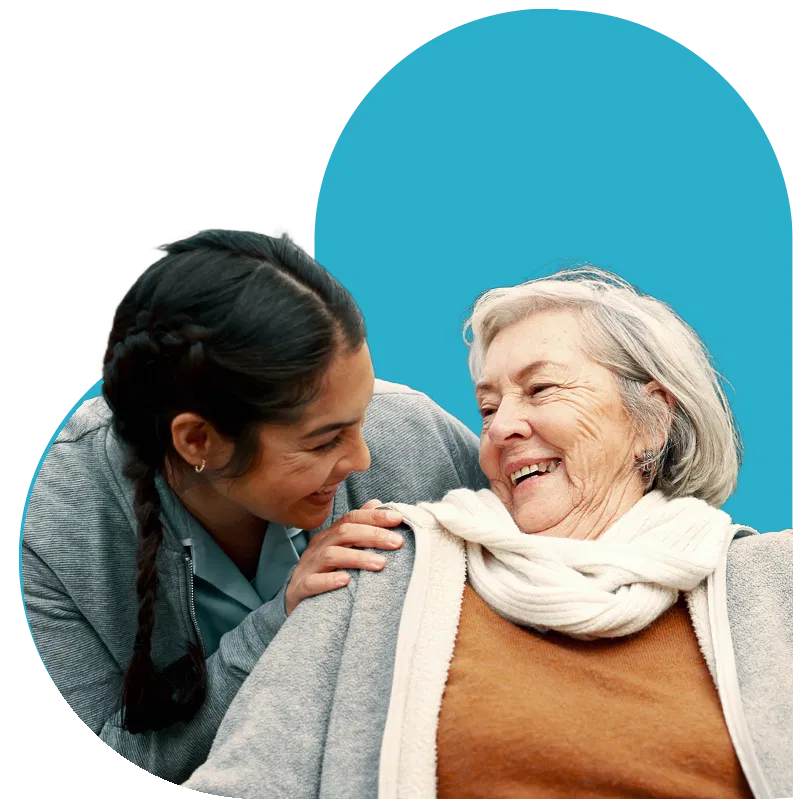
Our caregivers aren't just there to check boxes. They are there to participate in the life of the person they are caring for. Whether it’s discussing the local news in Roanoke or reminiscing about a childhood home, these interactions keep the mind sharp and the spirit bright.
And this matters for family caregivers too. Conversation changes the atmosphere of a home. It softens it. When a loved one has someone patient to talk with, laugh with, and share memories with, the whole emotional temperature of the day can shift. There is less tension. Less pressure. Sometimes even more appetite, more engagement, more willingness to move, bathe, or take medications. Human connection has a way of opening doors that force never can.
This level of emotional engagement is what separates a clinical service from a heart-centered one. We believe that every person deserves to be seen, heard, and valued, regardless of their age or their health status. It is about preserving the dignity of the person behind the diagnosis.
I think that is why relationship-centered care can be such a relief for overwhelmed families. It doesn’t only reduce tasks. It restores tone. It brings gentleness back into a situation that may have become strained by fatigue, grief, or constant responsibility. There is conversation again. Laughter. A little breathing room. Sometimes, that is the beginning of hope returning to the house.
A Community Built on Care
Karis Cares isn't just an agency; it’s a community. We are deeply rooted in this region, from the quiet streets of Bedford to the bustling neighborhoods of Lynchburg. We see our clients at the grocery store and our caregivers at the park. We are all part of the same fabric.
That local connection matters. It means we understand the culture, the values, and the expectations of the families we serve. We aren't a distant corporate office; we are your neighbors, and we take that responsibility very seriously.
Every time we celebrate a Caregiver of the Month, we are celebrating the ripple effect of kindness. One small act of care leads to a better day for a senior, which leads to a more relaxed evening for their children, which leads to a stronger, more connected community for all of us. That same spirit shapes the way we think about personal care services and Alzheimer’s and dementia care too: not as tasks to complete, but as relationships built with patience, trust, and compassion.
I think that ripple effect is especially important right now. The stress carried by caregivers is not happening in isolation. It spills over into marriages, workdays, church attendance, friendships, sleep, and health. When one person in a family is carrying too much, the whole household feels it. And when that person is finally supported, everyone feels that too.
That’s why I’m so passionate about normalizing help. Not emergency-only help. Not last-resort help. Thoughtful, compassionate, everyday support that protects the heart of the family before things begin to fray. The more we talk openly about caregiver fatigue and burnout, the more likely families are to seek support in time to actually benefit from it. We need that honesty in our communities. We need that grace.
Finding the Right Fit
The process of building these family-like bonds starts with a thoughtful matching process. We don’t just send whoever is next on the list. We look at personalities, interests, and temperaments. If Mom is a retired librarian who loves quiet afternoons, we match her with someone who shares that calm, steady energy.
If Dad was a carpenter who still likes to tinker in his workshop, we find a caregiver who isn't afraid to get their hands a little dusty and talk shop. This level of personalization is what allows that "stranger to family" transition to happen so naturally. You can learn more about how we create these healthy routines here and how our approach to senior transportation helps older adults stay connected to the people, places, and routines that matter most.
We want you to feel that same sense of relief so many families feel when they realize a caregiver isn't just there to help; they are there to be a part of their loved one's world. It is a beautiful thing to witness, and it is the reason we do what we do every single day.

As we honor our caregivers this month, I invite you to think about the people who provide support in your own life. Caregiving, in all its forms, is the work that keeps the world turning. It is the invisible thread that connects us all.
And if that thread feels frayed for you right now, I hope you will hear this gently: needing help does not mean you have failed. It means you are human. It means this season is asking a lot. It means love has been costly, and you may need someone to come alongside you for a while.
That is not weakness. That is wisdom.
I come back again and again to the image of that kitchen table. The one with the coffee mug. The medication list. The half-finished conversation. So many family decisions happen right there, in ordinary homes, with tired hearts trying to do the next right thing. If that is where you are today, I want you to know there are good resources available, from national organizations like the Caregiver Action Network to trusted local teams like ours who understand what caregiving looks like here in our Virginia communities.
If you are beginning to feel the weight of caring for a loved one alone, please know that you don't have to carry it by yourself. There are hearts out there ready to help, and hands ready to hold yours as you navigate this journey.
We would love for you to get to know our team and see for yourself how care can truly feel like family.